
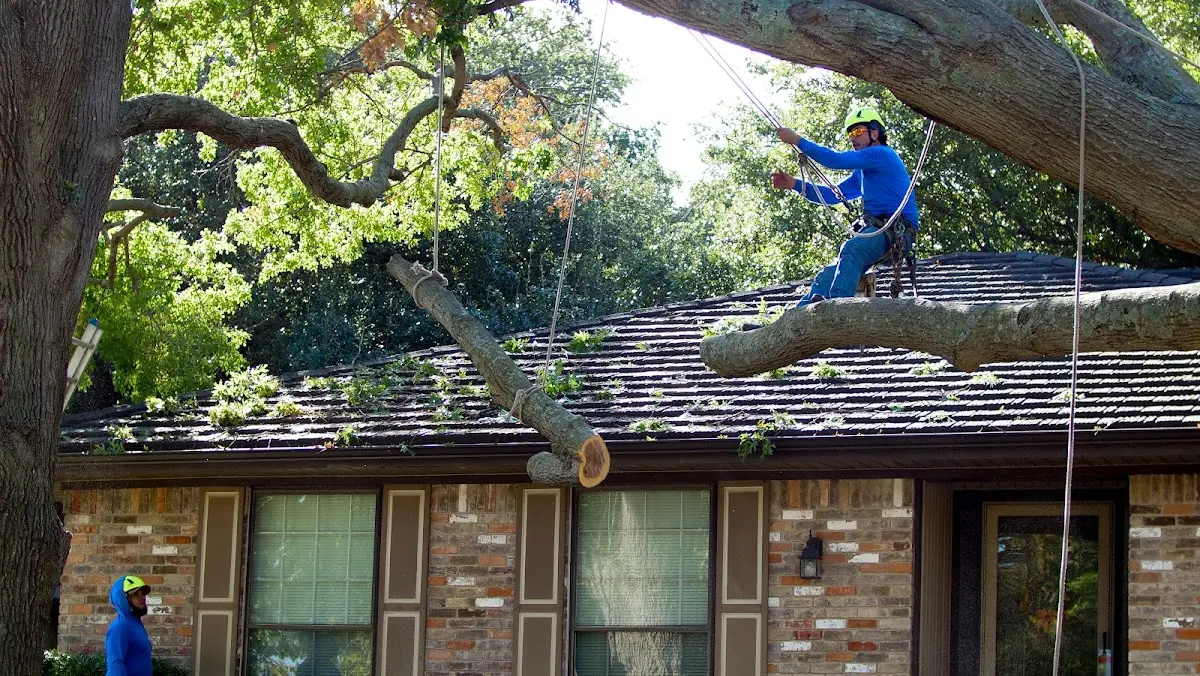
Professional tree transplanting for homes and businesses in Pine Island and surrounding New York communities.
Professional tree transplanting for Pine Island property owners. B. Haney and Sons Arborists can move trees up to large caliper sizes using mechanical spade trucks or hand-dug methods. We root-prune in advance when possible, lift with proper soil mass, and apply deep watering protocols to maximize establishment success after the move.
Pine Island homeowners and businesses count on careful, professional tree transplanting to protect their properties and their tree investments. Serving a city of 1,098 across New York, B. Haney and Sons Arborists brings the experience, equipment, and crew capacity to handle tree transplanting projects of any scale. We begin every job with an honest evaluation, walk the property with you, and provide a clear written estimate before any cuts are made.
Our tree transplanting crews in Pine Island, NY are ISA-trained, fully insured, and equipped with bucket trucks, climbing gear, chippers, and stump grinders sized for the job. From the initial assessment through final cleanup, we maintain open communication and hold ourselves to ANSI A300 and Z133 industry standards. That is how B. Haney and Sons Arborists has earned the trust of property owners across New York.
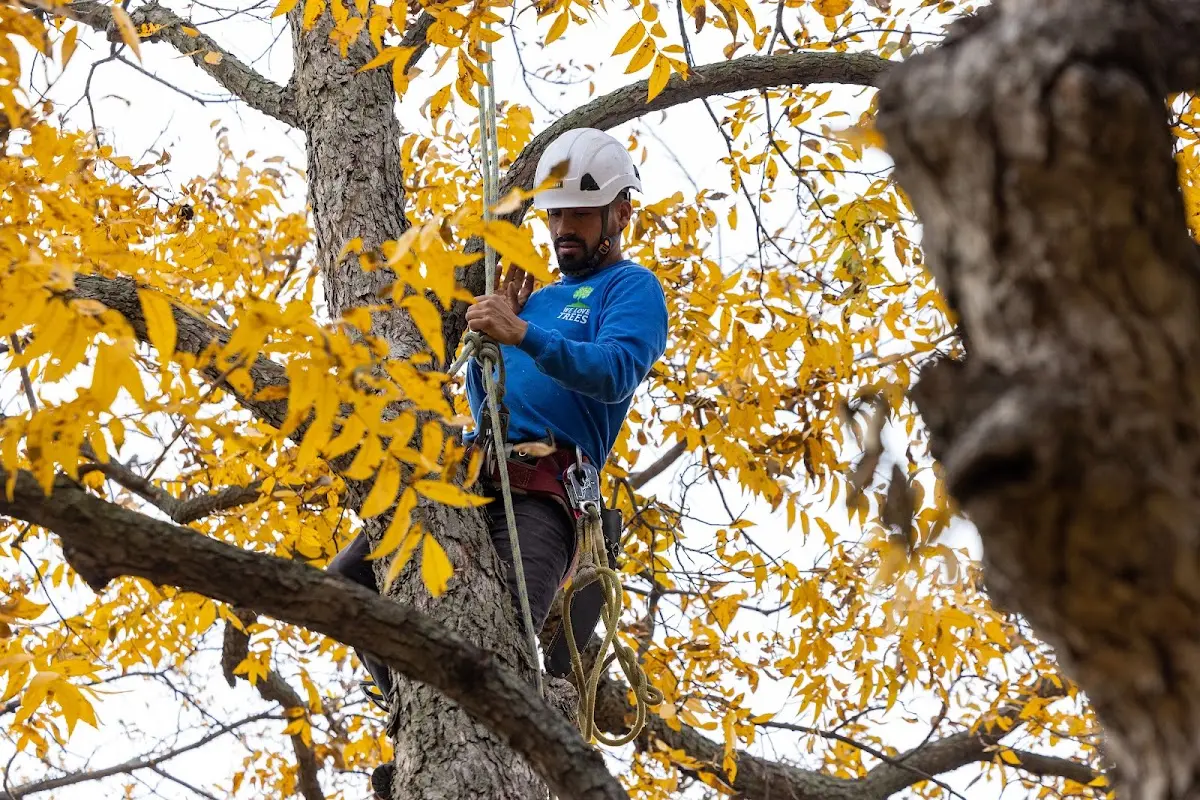
Our proven tree transplanting process delivers reliable results for Pine Island property owners every time.
Our Pine Island arborist arrives at your property to evaluate the situation — tree species, condition, target zones, and access. We answer your questions and explain exactly what the job involves.
B. Haney and Sons Arborists provides transparent written pricing for every tree transplanting job in Pine Island. The quote includes all the work, all the cleanup, all the equipment — no surprises on the final invoice.
Our crew arrives on schedule with the right equipment, follows ANSI Z133 safety standards, and executes the work with proper rigging and tree-care science.
Our Pine Island crew cleans up everything before leaving — branches hauled off, chips raked smooth, stumps ground if part of the scope. We do a final walkthrough so you can confirm satisfaction.
Have questions about tree transplanting in Pine Island, NY? Start here.
The cost of tree transplanting in Pine Island depends on tree size, species, access, equipment required, and whether stump removal is included. B. Haney and Sons Arborists provides free written estimates with transparent pricing so you know exactly what to expect before any work begins. We work in a wide range of budgets and never quote blind.
B. Haney and Sons Arborists crews working tree transplanting jobs in New York are led by ISA-trained arborists who follow ANSI A300 pruning standards and ANSI Z133 safety standards. Individual ISA certifications vary by team member, but every crew leader has the training to plan and execute the work properly.
Yes. B. Haney and Sons Arborists carries full general liability and workers compensation insurance for all tree transplanting work in Pine Island. Tree work is high-risk and uninsured contractors expose property owners to serious financial liability. We provide certificates of insurance on request before any job starts.
For non-emergency tree transplanting in Pine Island, we typically schedule within 1 to 2 weeks of estimate approval. For emergency tree work, our crews can usually arrive within 1 to 4 hours of the call. Schedules tighten significantly during storm weeks across New York.
Our reputation is built on results. Here is what our customers have to say.
"Tree fertilization and deep-root feeding program for our older trees. The arborist tested the soil first, prescribed a custom blend, and applied it properly into the root zone. Trees are noticeably more vigorous this growing season. Worth it."
"B. Haney and Sons did a tree transplant for us — moved a young Japanese maple from one part of the yard to a better spot. The tree came through the move in great shape and is leafing out beautifully this spring. Real arborist work, not just chainsaw work."
"Hired them for a tree disease treatment after we noticed yellowing leaves on our birches. The arborist diagnosed the issue, recommended a treatment plan, and the trees recovered beautifully. They could have pushed unnecessary treatments — they did not."