
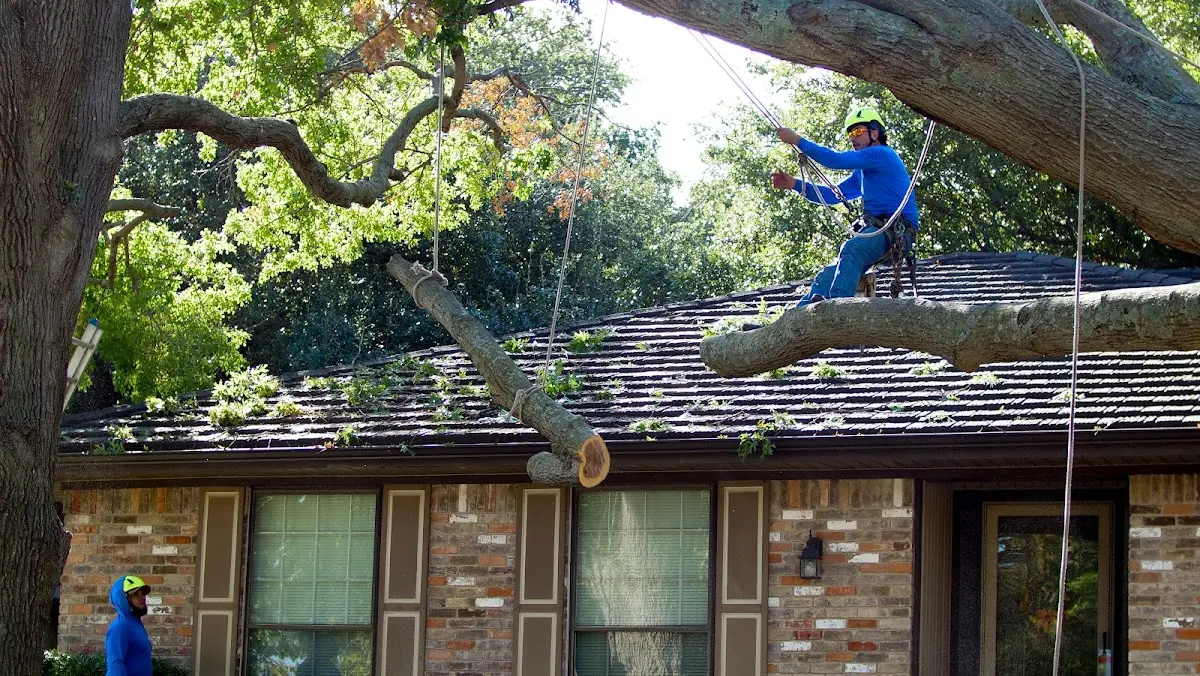
Expert deadwooding in Pine Island, NY. ISA-trained arborists, proper rigging, and clean results you can count on.
Deadwooding services in Pine Island performed by ISA-trained arborists. B. Haney and Sons Arborists crews remove dead, dying, and broken branches throughout the canopy without disturbing the live structure. Result is a safer, healthier-looking tree with fewer storm-loss surprises and reduced disease pressure.
With a population of 1,098, Pine Island is home to thousands of properties with mature trees that require professional care. Our deadwooding team in Pine Island, NY combines local arborist knowledge with ISA-standard training to deliver results that protect your property and keep your trees healthy long-term. Every project begins with a thorough on-site assessment so we can recommend the right approach for your specific situation, tree species, and site conditions.
When you choose B. Haney and Sons Arborists for deadwooding in Pine Island, you get a team that responds fast, communicates clearly, and treats your property with respect. We handle all the details — proper rigging, clean cuts, full debris cleanup, and a final walkthrough — so you can focus on the rest of your day.
From first call to final walkthrough, here is what to expect from B. Haney and Sons Arborists in Pine Island, NY.
Call any time and our arborist comes out to walk your property. We assess the trees, discuss your goals, and explain the work in plain language.
Our Pine Island crew sends you a written estimate that itemizes everything — labor, equipment, debris removal, stump grinding if requested. Approve it and we schedule the work around your calendar.
B. Haney and Sons Arborists executes every deadwooding project at your Pine Island, NY property with full safety protocols, proper equipment, and careful tree-care technique. Quality work, every time.
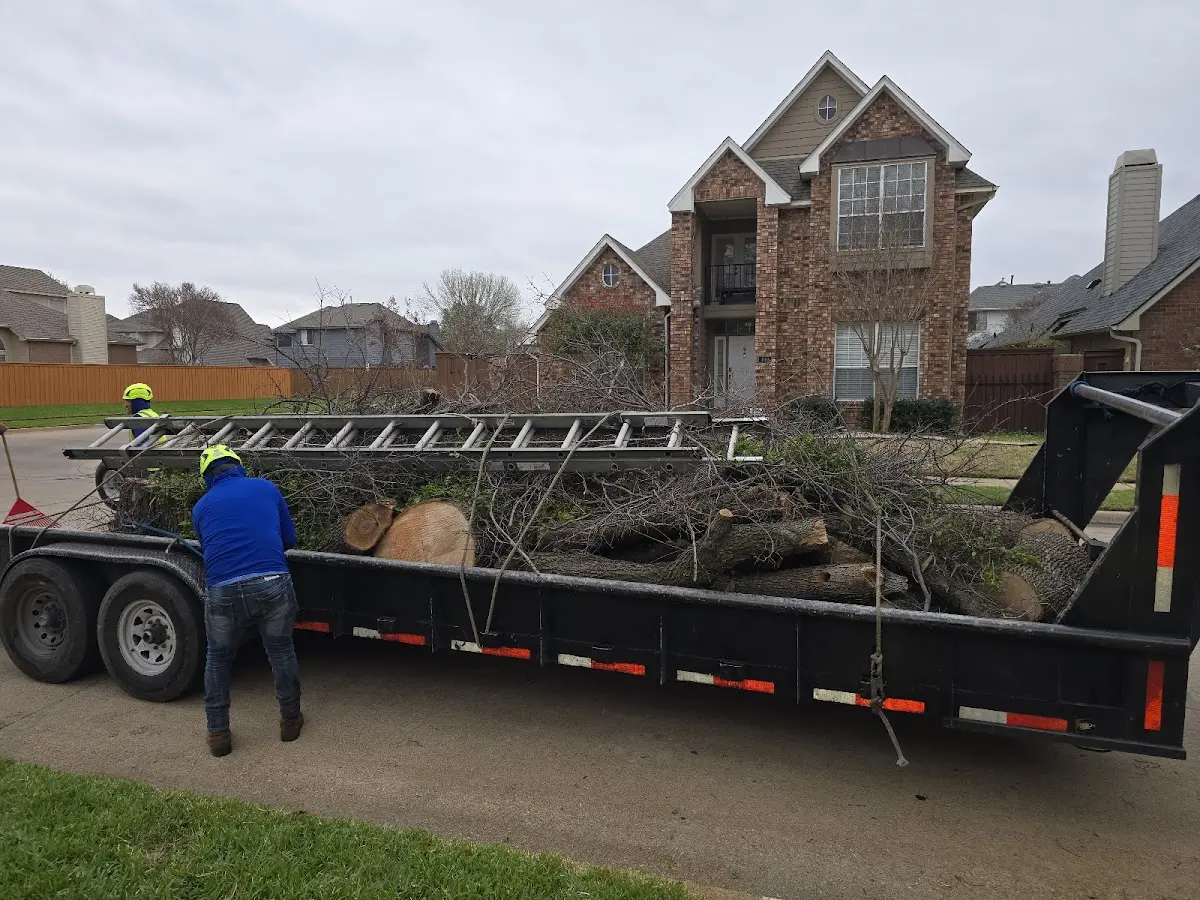
We haul all branches and brush, chip the small wood, grind stumps if requested, rake the work area, and leave your property cleaner than we found it.
What Pine Island property owners want to know about deadwooding — answered by our arborists.
The cost of deadwooding in Pine Island depends on tree size, species, access, equipment required, and whether stump removal is included. B. Haney and Sons Arborists provides free written estimates with transparent pricing so you know exactly what to expect before any work begins. We work in a wide range of budgets and never quote blind.
Yes. B. Haney and Sons Arborists carries full general liability and workers compensation insurance for all deadwooding work in Pine Island. Tree work is high-risk and uninsured contractors expose property owners to serious financial liability. We provide certificates of insurance on request before any job starts.
Yes. Standard B. Haney and Sons Arborists deadwooding service in Pine Island includes hauling all branches and brush, chipping small wood, raking the work area, and leaving the site cleaner than we found it. No surprise debris-removal fees on the final invoice.
B. Haney and Sons Arborists stands behind all deadwooding work in Pine Island, NY with workmanship pride from a company carrying on a tree care tradition since 1940. We address any quality concerns directly and promptly. Specific coverage varies by service type — ask about details during your free estimate.
See what customers across the country say about working with B. Haney and Sons Arborists.
"Haney crew handled a complicated removal — large dead oak hanging over our pool with a tight drop zone. Used proper rigging, took it down in pieces, no damage to the pool deck. The crew leader clearly knew what he was doing. Reasonable pricing and clean cleanup."
"Called for emergency tree service after a big limb came down on our shed. Crew was here within three hours, removed the limb, cleaned up all the debris, and did not even charge us extra for the after-hours call. That is integrity right there."
"Tree planting service was excellent. The arborist helped us pick species that would thrive in our soil and climate, and the planting itself was done with proper depth, root ball preparation, and staking. All five trees are doing great two seasons later."